

📣 Create Blog for Traders!
Stop Watching news - Start Making it.
START


Hormuz Oil Panic: Why I'm Fading This Sucker's Rally
The market is pricing in a short-term shock from the Strait of Hormuz. They're dead wrong. The real trade is longer-term, and it's not what you think.
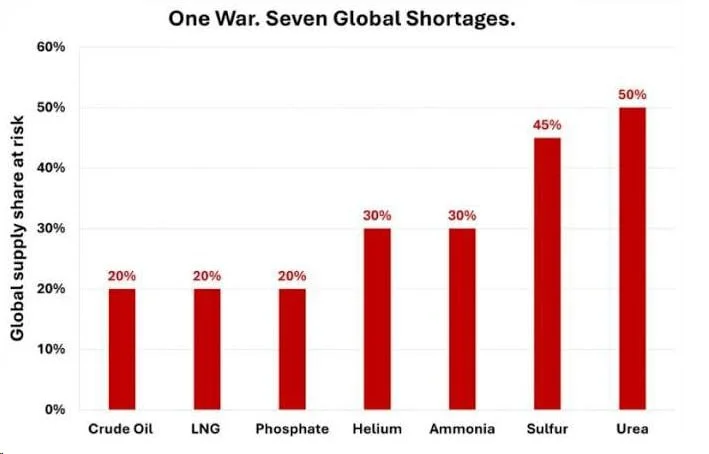
Every time tensions flare up around the Strait of Hormuz, the same playbook runs. Algo headlines fire, oil spikes 5%, and every amateur with a Robinhood account piles into USO. This morning was no different. Telegram is lit up with panic about supply risk. Meanwhile, I'm sitting here fading the move. The trade is clear, and it’s not buying this knee-jerk hysteria. Most traders are wrong about how to play this, focusing on the front-month contract like it's the only game in town.
Let's get the obvious out of the way. Yes, about 20% of the world's oil and a third of its LNG passes through that chokepoint. That's old news. My contacts who underwrite shipping insurance in London told me this morning that war-risk premiums for the Persian Gulf are already at levels we saw during the 2019 tanker attacks. The risk isn't new; it's already priced into the cost of transport. The market is acting surprised by something it has been quietly preparing for.
The herd is bidding up front-month crude (CLJ26), which spiked to $95.20 today. I'm actually short from $95.10 with a tight stop at $96.50. I'm betting this is a headline-driven pop that will revert to the mean. The real money isn't in guessing the next headline; it's in the structural repricing of the futures curve. The spread between the front month and the back months (like CLZ26) is where the story is. A prolonged disruption forces the curve into steep backwardation, and that's the trade I'm positioning for.
A Hormuz closure alone won't trigger a full supercycle, but it's a major catalyst. It forces a permanent rerouting of global supply chains for key inputs like oil, LNG, and fertilizers, creating sustained higher prices. This event exposes the extreme fragility that underpins the entire bull thesis for the rest of the decade.
This is bigger than just oil. We're talking about Qatari LNG, fertilizers from Saudi Arabia, and even niche markets like helium. These supply chains are incredibly inelastic. You can't just reroute a multi-billion dollar LNG facility overnight. While Jake Morrison is looking at the equity angle between Russian and US energy majors, I'm on the front lines with the commodity itself. A Hormuz shutdown makes US producers the marginal supplier for everything, which is a massive tailwind for my long-term positions.
- Short-Term Fade: Short CLJ26 from $95.10. Stop: $96.50. Target: Reversion to $92.00.
- Long-Term Structure: Building a long position in December 2026 crude (CLZ26) and watching the CLJ26-CLZ26 spread.
- Natural Gas Setup: Long Henry Hub (NGK26) from $4.10. This is the real winner as US LNG becomes critical. Target $5.50 by summer.
- COT Report Check: My COT report analysis this week showed managed money was already crowded net-long. This spike feels like a weak-handed chase.
My favorite position here is the natural gas trading setup. I blew up my first account on a bad nat gas trade years ago — best $30K tuition I ever paid. It taught me to look past the front-month noise. A Hormuz closure makes US LNG exports to Europe and Asia non-negotiable. This isn't a one-week trade; it's a multi-quarter structural shift. While my friend Emma Blackwood is likely analyzing the currency implications for petro-states, I'm focused on the raw Btus. They're going to get a whole lot more expensive.
My thesis gets torched if this escalates into a hot war. If a vessel is actually sunk, my fade on front-month crude will get run over. That's why the stop at $96.50 is non-negotiable. I'll take the small loss and re-evaluate. The other risk is a sudden diplomatic breakthrough. If a deal is announced over the weekend, the risk premium evaporates, and the spreads I'm watching will collapse. You have to know your invalidation point before you ever place the trade.
Stop trading the headlines. The panic spike in oil is a sucker's bet. The real money is in the structural repricing of global energy flows that will last for years, not days.
While the crypto guys like Marcus are watching their digital tulips wilt today, the world is getting a harsh reminder that physical commodities that you can actually touch are what run the global machine. This Hormuz situation is just another data point. The question isn't whether oil hits $100 on a headline. The real question is, am I the only one who thinks the calendar spreads are the single best way to trade this entire event?